
Study of Waste Streams in Five Northern Communities and Support for Circular Economy Initiatives
Client: RECYC-QUÉBEC and the Société du Plan Nord
Duration: 2025-2027
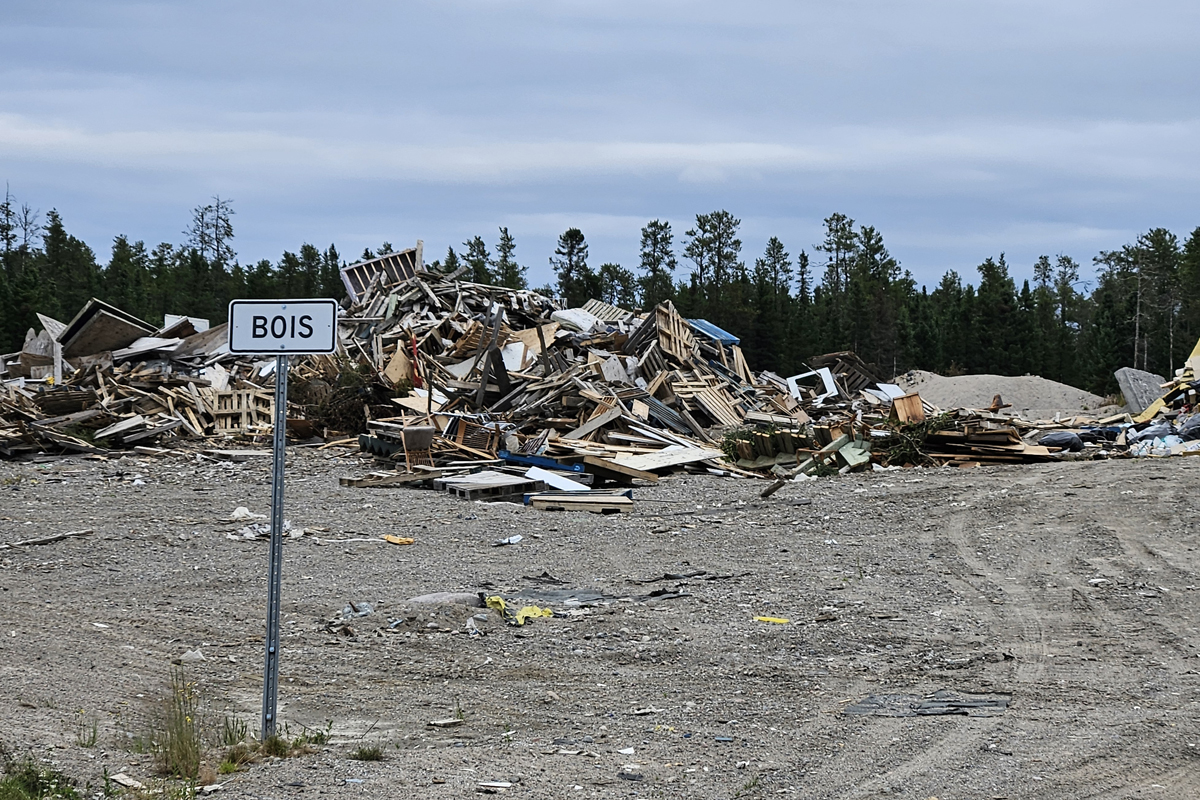
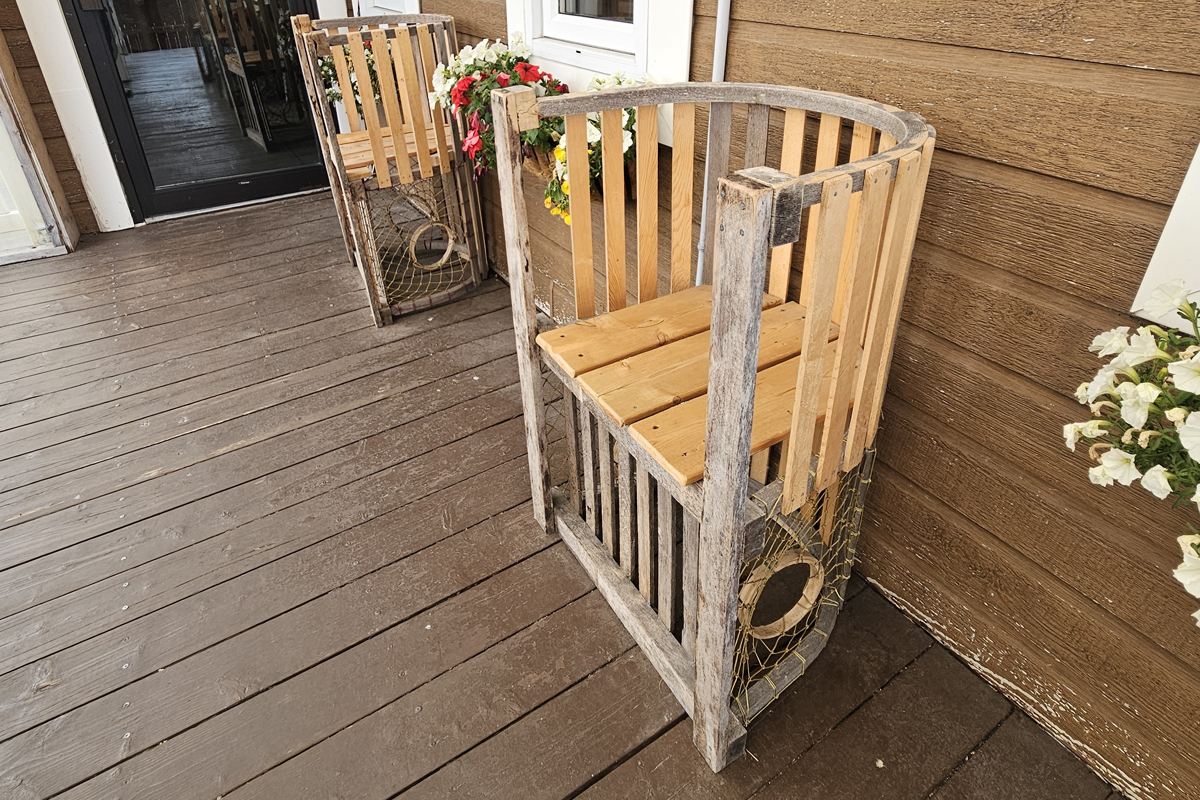
Following field visits to the communities of Chibougamau, Nemaska, Radisson, Baie-Comeau, and Havre-Saint-Pierre, SOLINOV completed the first phase of the mandate, which involved assessing the waste stream in each community. As part of the second phase, SOLINOV presented circular economy action plans to the communities.
Read more
Duration: 2025-2027
Following field visits to the communities of Chibougamau, Nemaska, Radisson, Baie-Comeau, and Havre-Saint-Pierre, SOLINOV completed the first phase of the mandate, which involved assessing the waste stream in each community. As part of the second phase, SOLINOV presented circular economy action plans to the communities.
Study on Major Waste Generators
Regional County Municipality (RCM) of Haut-Saint-Laurent
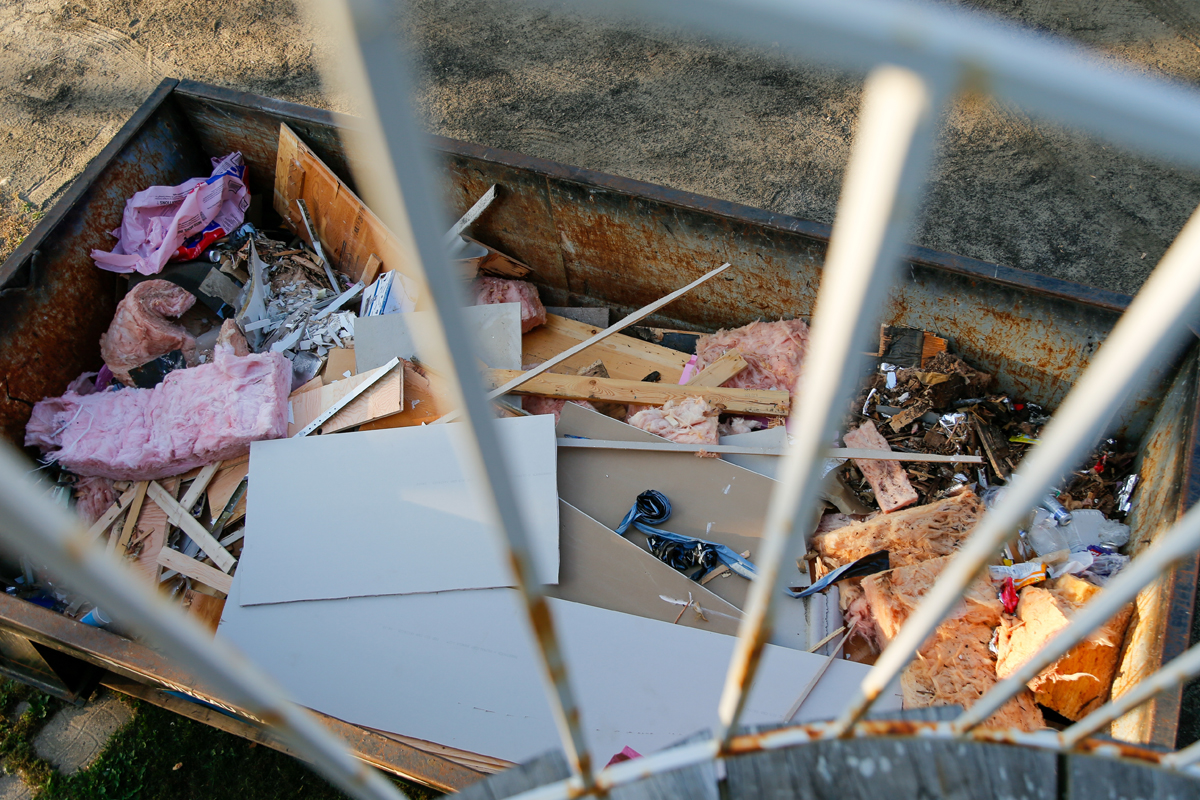
SOLINOV conducted a survey of approximately fifty institutions and businesses within the MRC to better understand their waste generation and their methods of collection, transportation, and treatment. This exercise provided an opportunity to present a portrait of waste management for seven economic sectors.
Read more
SOLINOV conducted a survey of approximately fifty institutions and businesses within the MRC to better understand their waste generation and their methods of collection, transportation, and treatment. This exercise provided an opportunity to present a portrait of waste management for seven economic sectors.
Feasibility Study on Reuse
Client: City of Gatineau
Duration: October 2024 to April 2025
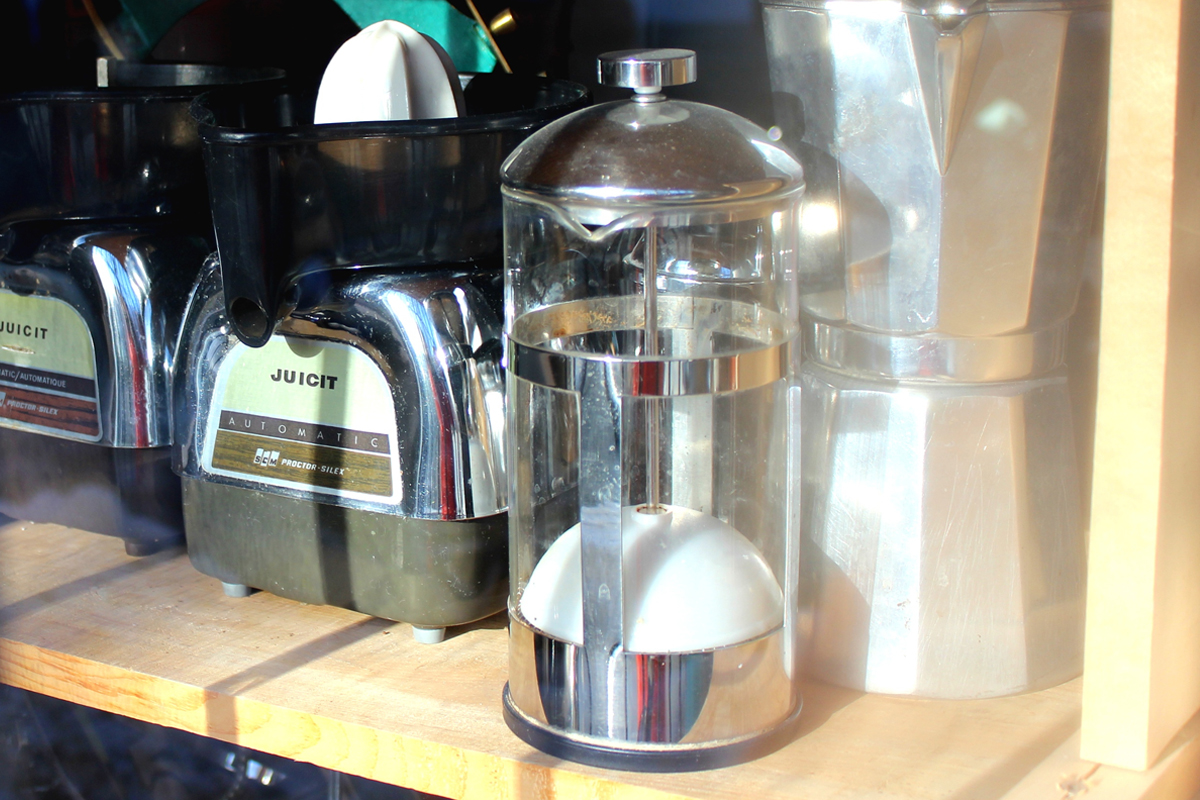
The feasibility study on reuse in Gatineau aims to determine conditions for the implementation of a reuse infrastructure to serve residents across the city’s five boroughs. An overview of the reuse sector was first developed through interviews with more than twenty reuse stakeholders in Gatineau, including both non-profits and businesses. Several of these stakeholders also shared their views on reuse in Gatineau during a workshop facilitated by SOLINOV.
Read more
Duration: October 2024 to April 2025
The feasibility study on reuse in Gatineau aims to determine conditions for the implementation of a reuse infrastructure to serve residents across the city’s five boroughs. An overview of the reuse sector was first developed through interviews with more than twenty reuse stakeholders in Gatineau, including both non-profits and businesses. Several of these stakeholders also shared their views on reuse in Gatineau during a workshop facilitated by SOLINOV.
Study on Opportunities for Intermunicipal Cooperation and Collection Optimization
Client: Brome-Missisquoi Regional County Municipality (RCM)
Project Period: 2024–2025
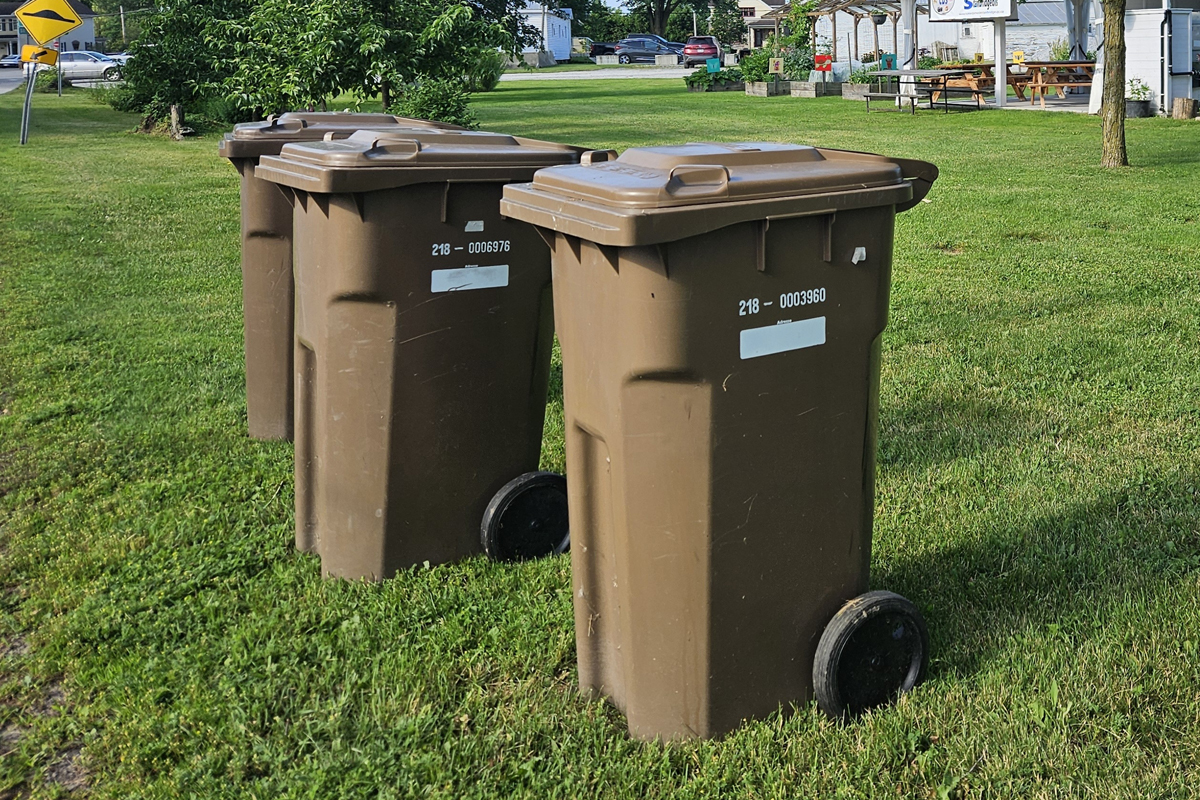
SOLINOV supported the RCM and its municipalities throughout the modernization of their curbside recycling system, beginning with the transfer of responsibility for recyclable materials management from the municipalities to the RCM. In addition, several municipalities with private collection contracts joined together to issue a shared request for proposals (RFP), with SOLINOV providing technical support throughout the procurement process.
Read more
Project Period: 2024–2025
SOLINOV supported the RCM and its municipalities throughout the modernization of their curbside recycling system, beginning with the transfer of responsibility for recyclable materials management from the municipalities to the RCM. In addition, several municipalities with private collection contracts joined together to issue a shared request for proposals (RFP), with SOLINOV providing technical support throughout the procurement process.
Evaluation of Transfer Scenarios, Transportation Conditions, and Support for the Authorization Application
Client: Régie intermunicipale de traitement des matières résiduelles de la Gaspésie (RITMRG-Waste management organization for two Regional County Municipalities (MRCs) in Gaspésie)
Duration: June to September 2024
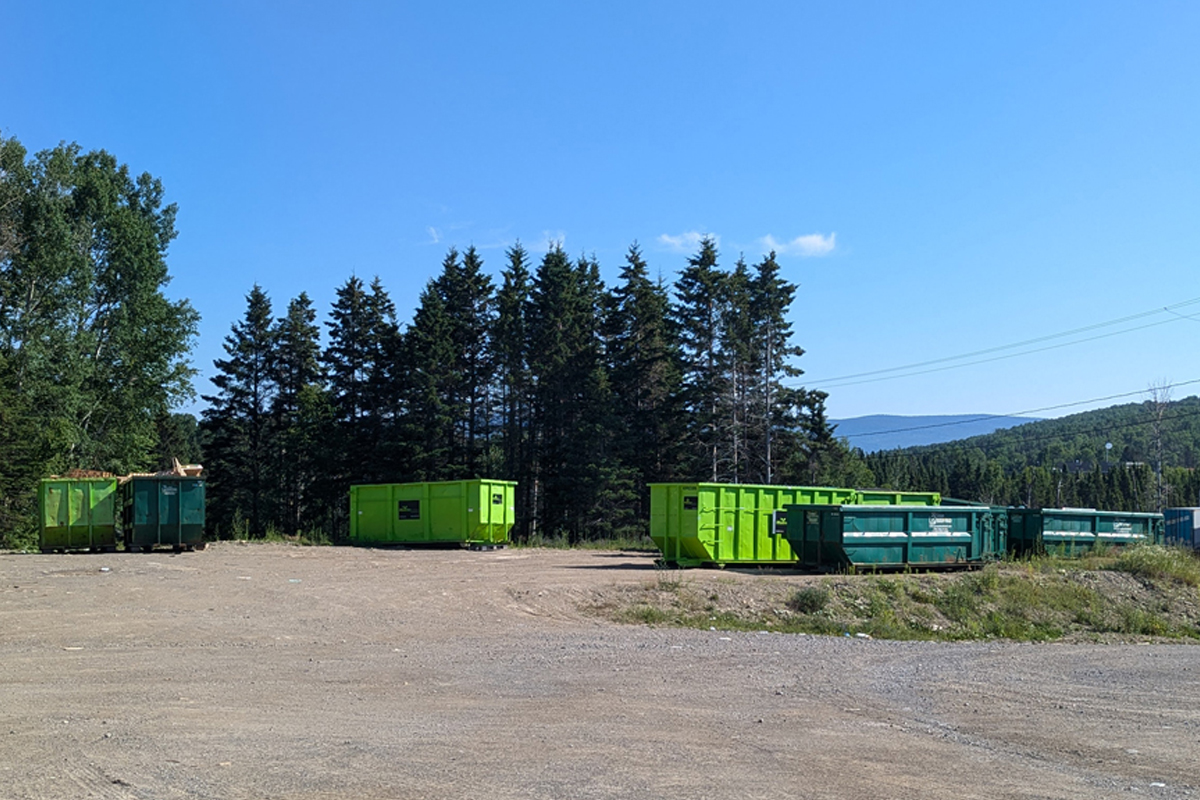
This SOLINOV study aimed to develop garbage and recyclables transfer scenarios for the RITMRG. The scenarios would then be compared to the current system based on long-distance transport using multi-box containers (collection via removable “boxes,” followed by coupling the boxes to a collection truck via a trailer).
Read more
Duration: June to September 2024
This SOLINOV study aimed to develop garbage and recyclables transfer scenarios for the RITMRG. The scenarios would then be compared to the current system based on long-distance transport using multi-box containers (collection via removable “boxes,” followed by coupling the boxes to a collection truck via a trailer).
Analysis of the feasibility of consolidating and internalizing waste collection and transport from eight municipalities
Client: MRC of Rimouski-Neigette
Duration: 2025–2026
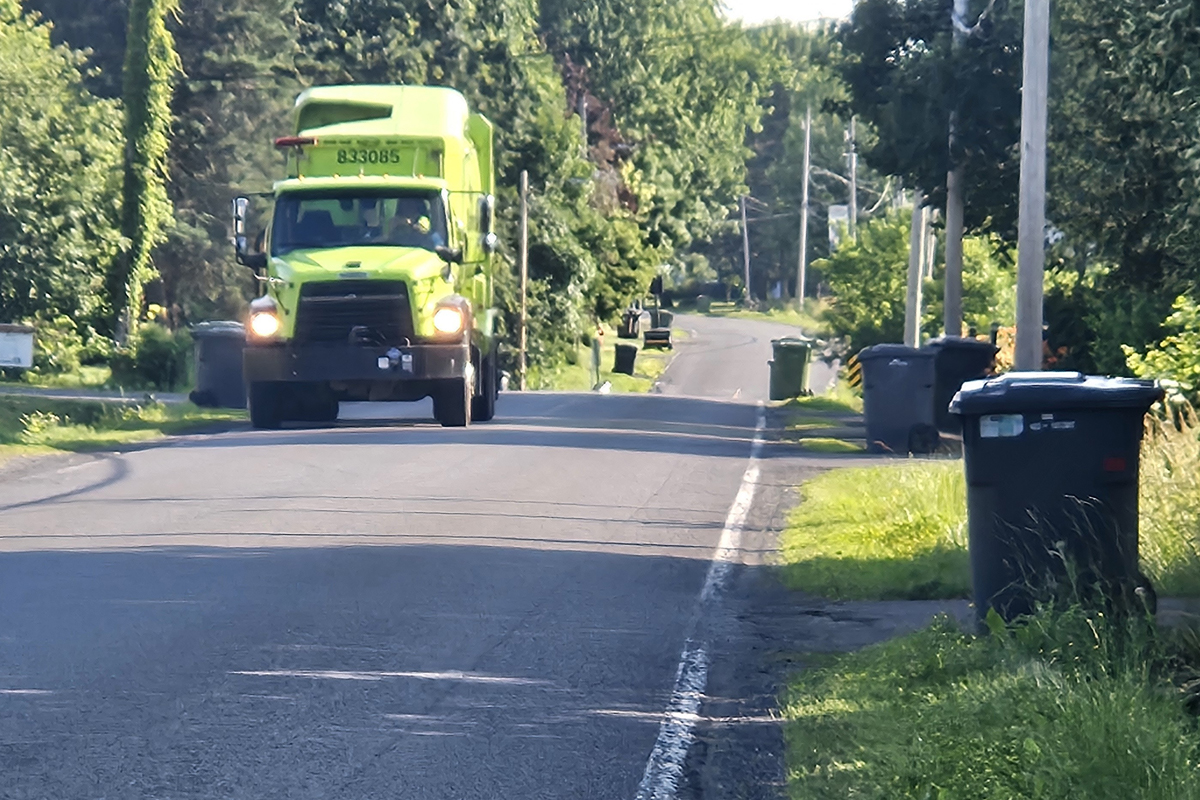
Municipalities within the MRC de Rimouski-Neigette sought to explore various options for consolidating their waste collection services. The possibility of in-sourcing collection (i.e., having municipal employees handle it) was among the scenarios studied. The study focused specifically on the collection of garbage and organic materials, as a shared collection system for recyclable materials was already in place following the modernization of Quebec’s curbside recycling program.
Read more
Duration: 2025–2026
Municipalities within the MRC de Rimouski-Neigette sought to explore various options for consolidating their waste collection services. The possibility of in-sourcing collection (i.e., having municipal employees handle it) was among the scenarios studied. The study focused specifically on the collection of garbage and organic materials, as a shared collection system for recyclable materials was already in place following the modernization of Quebec’s curbside recycling program.
Action Plan to Reduce Food Waste
Client: Beauharnois-Salaberry RCM
Project Period: March to October 2024
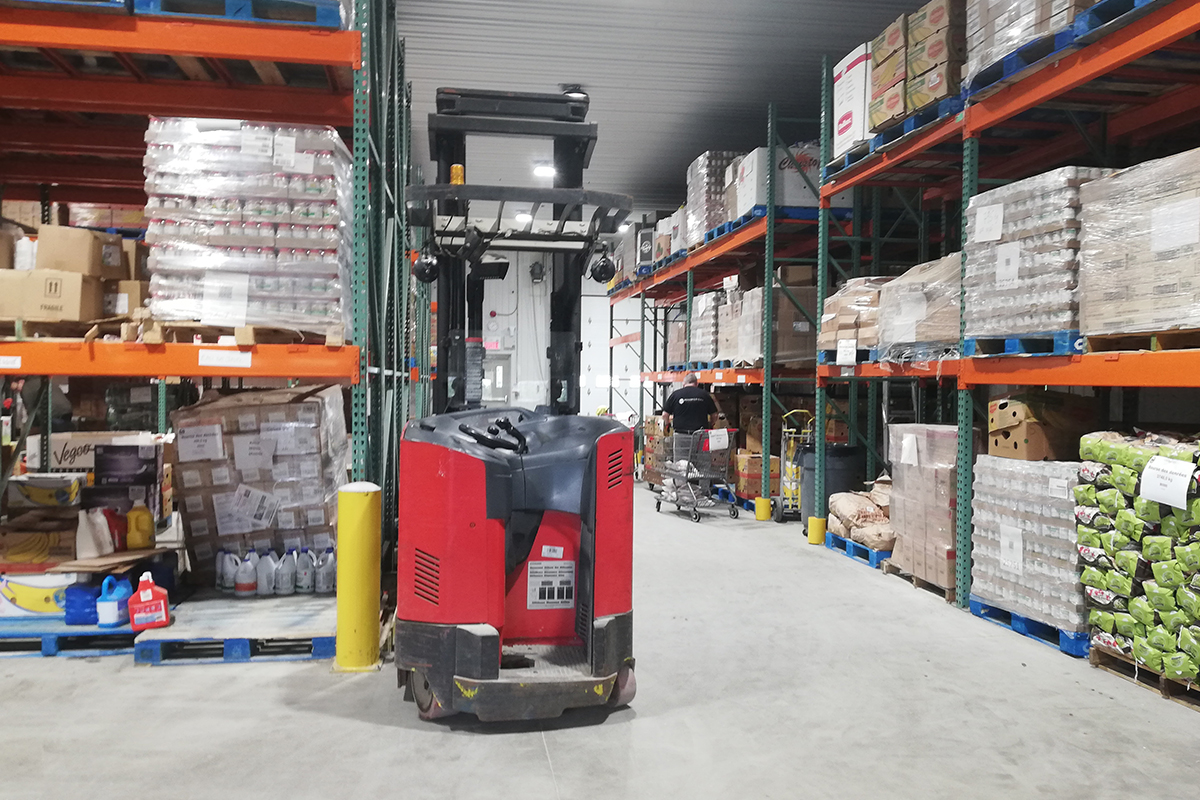
SOLINOV’s mandate was to analyze the management of surplus and lost consumable food generated by the industrial, commercial and institutional (ICI) sector across the RCM’s territory. Recommendations were also expected to better address food waste. To this end, SOLINOV conducted site visits and interviews with managers of organizations involved in food recovery and reuse. Managers from large businesses generating food waste, such as supermarkets, agri-food companies and institutions serving a high volume of meals, were also interviewed.
Read more
Project Period: March to October 2024
SOLINOV’s mandate was to analyze the management of surplus and lost consumable food generated by the industrial, commercial and institutional (ICI) sector across the RCM’s territory. Recommendations were also expected to better address food waste. To this end, SOLINOV conducted site visits and interviews with managers of organizations involved in food recovery and reuse. Managers from large businesses generating food waste, such as supermarkets, agri-food companies and institutions serving a high volume of meals, were also interviewed.
Compliance Analysis of Call for Tenders for the Collection and Transportation of Recyclables
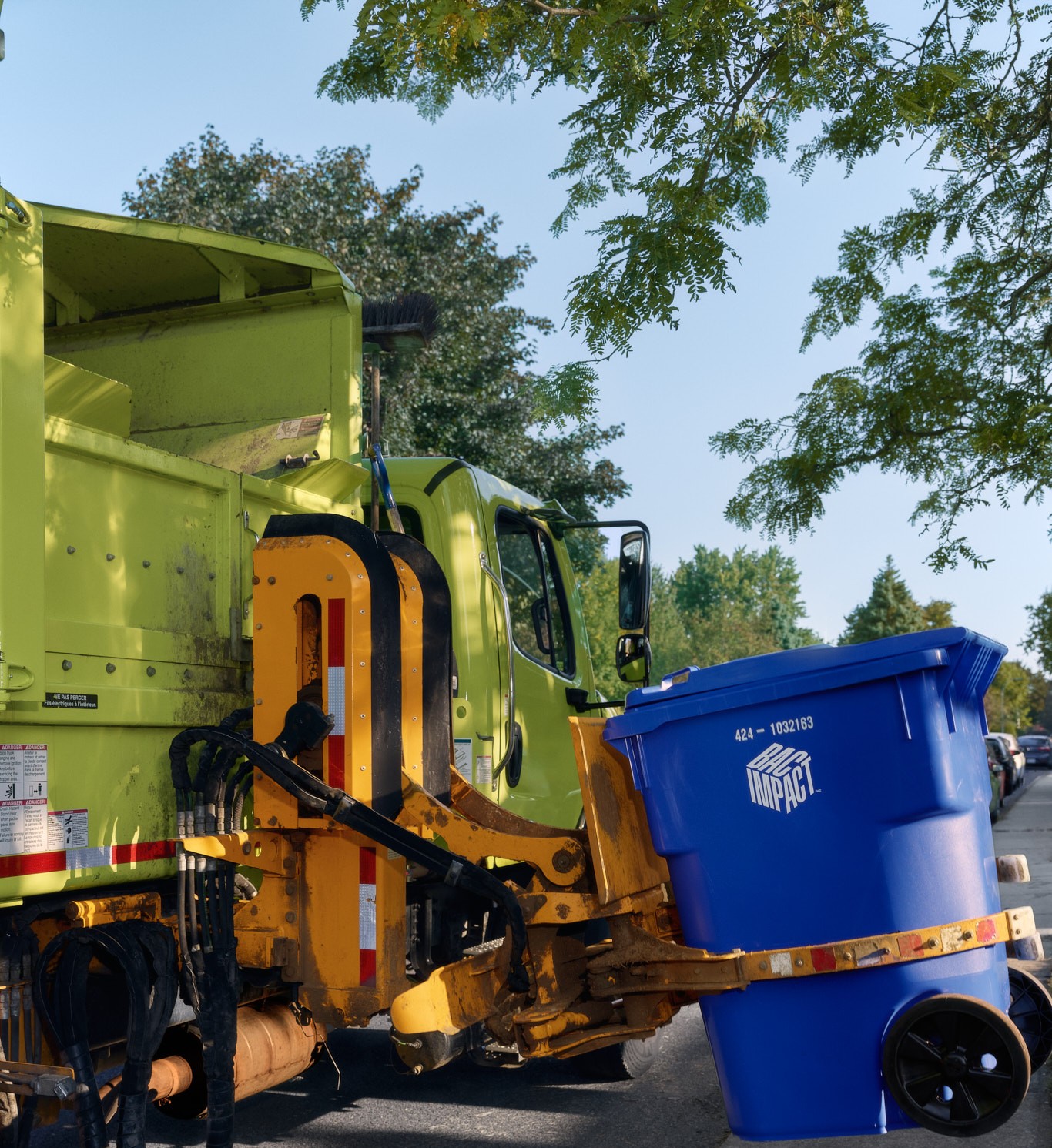
Client: Éco Entreprises Québec (EEQ)
Project Period: 2023–2025
SOLINOV has conducted more than forty compliance analyses for ÉEQ on call for tenders issued by municipal organizations regarding the collection and transportation of recyclables. As the designated management body for the Extended Producer Responsibility (EPR) program for producers of printed materials, containers, and packaging, ÉEQ must provide its opinion on the content of the call for tenders prior to their publication. The EPR program for recyclables is a crucial milestone in the modernization of the curbside recycling system launched by the Government of Quebec in 2021.
Read more
Project Period: 2023–2025
SOLINOV has conducted more than forty compliance analyses for ÉEQ on call for tenders issued by municipal organizations regarding the collection and transportation of recyclables. As the designated management body for the Extended Producer Responsibility (EPR) program for producers of printed materials, containers, and packaging, ÉEQ must provide its opinion on the content of the call for tenders prior to their publication. The EPR program for recyclables is a crucial milestone in the modernization of the curbside recycling system launched by the Government of Quebec in 2021.
Development of Organic Waste Management Scenarios
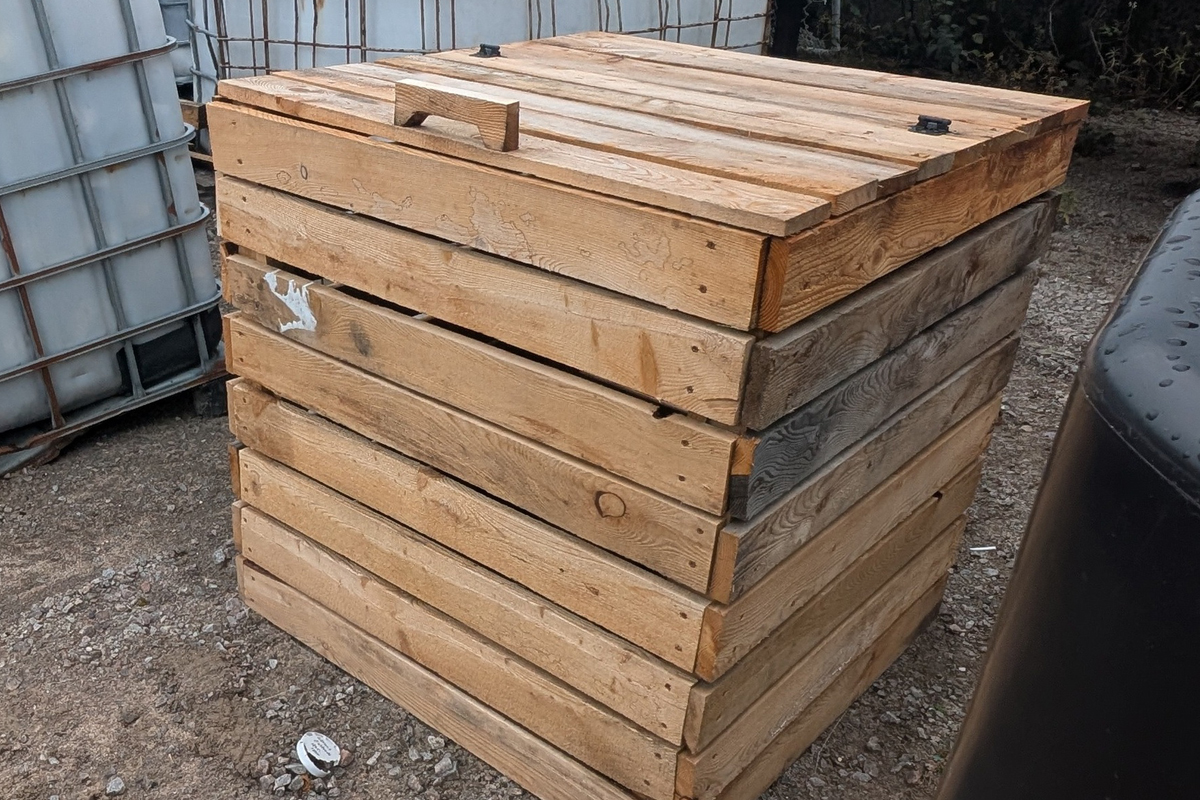
Client: Minganie RCM
Project Period: 2023–2024
The Minganie Regional County Municipality (RCM) and its municipalities sought to evaluate various collection and treatment scenarios for organic waste, as only garbage and recyclable materials were being collected across the territory at the time. SOLINOV first estimated the quantities of food waste and yard waste generated throughout the region, as well as the recoverable volumes under different management scenarios. The assessment covered both the residential sector and industrial, commercial, and institutional (ICI) generators, including organic residues from the seafood processing industry.
Read more
Project Period: 2023–2024
The Minganie Regional County Municipality (RCM) and its municipalities sought to evaluate various collection and treatment scenarios for organic waste, as only garbage and recyclable materials were being collected across the territory at the time. SOLINOV first estimated the quantities of food waste and yard waste generated throughout the region, as well as the recoverable volumes under different management scenarios. The assessment covered both the residential sector and industrial, commercial, and institutional (ICI) generators, including organic residues from the seafood processing industry.