
Development of Tools to Facilitate the Collection of Organics in Multi-Unit Residential Buildings
Client: RECYC-QUÉBEC
Duration: April to September 2026
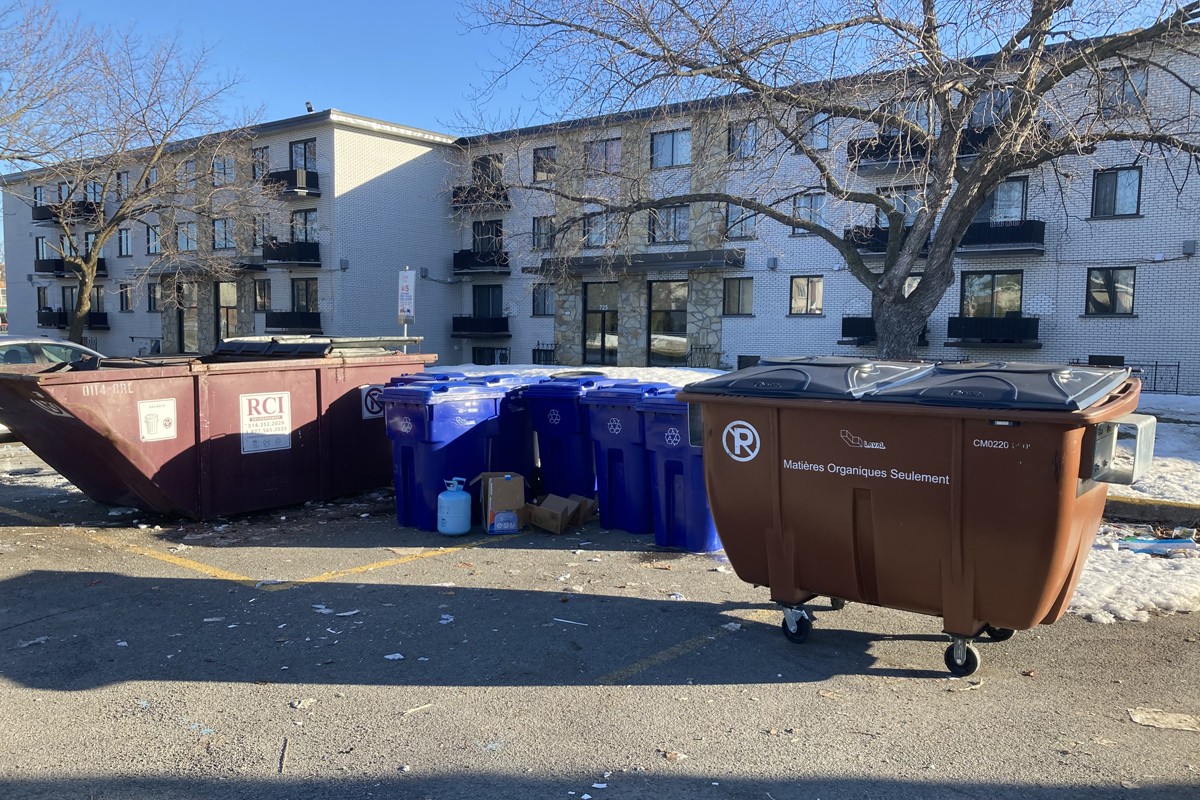
SOLINOV is developing guides and calculation tools to facilitate the collection of organics in multi-unit residential buildings. This project aims to address questions that municipal organizations (e.g. cities) and building managers may have during the implementation or consolidation of organic waste collection in multi-unit buildings (more than 10 units).
Read more
Duration: April to September 2026
SOLINOV is developing guides and calculation tools to facilitate the collection of organics in multi-unit residential buildings. This project aims to address questions that municipal organizations (e.g. cities) and building managers may have during the implementation or consolidation of organic waste collection in multi-unit buildings (more than 10 units).
Study on the Management of Organic Waste from the Industrial, Commercial and Institutional (IC&I) Sectors in Quebec
Clients: RECYC-QUÉBEC and Ministry of the Environment (MELCCFP)
Duration: May 2023 to February 2024
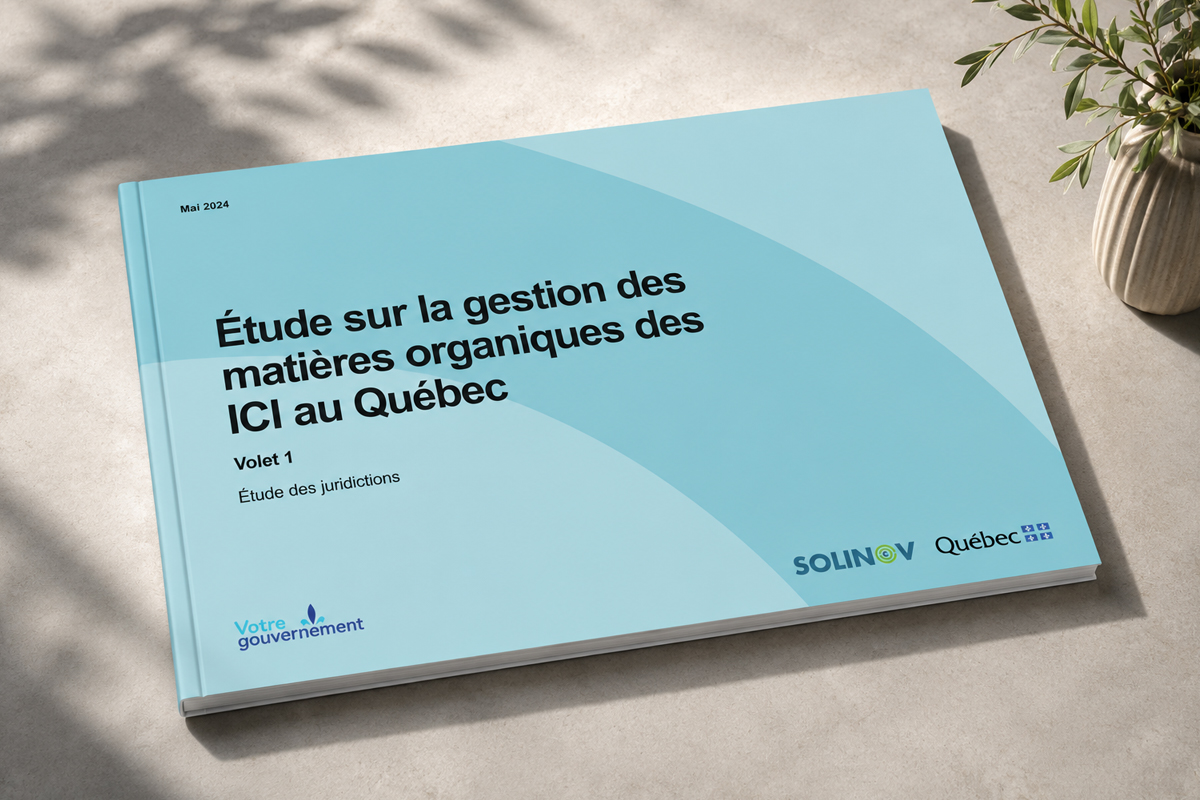
The study conducted by SOLINOV includes a comparative analysis of jurisdictions, regional profiles, and a cost analysis. This study stems for Québec’s Organics’ Recovery Strategy, which calls for the management of organic waste from all industries, commerces, and institutions (IC&I) starting in 2025.
Read more
Duration: May 2023 to February 2024
The study conducted by SOLINOV includes a comparative analysis of jurisdictions, regional profiles, and a cost analysis. This study stems for Québec’s Organics’ Recovery Strategy, which calls for the management of organic waste from all industries, commerces, and institutions (IC&I) starting in 2025.
Development of a 2024–2027 Action Plan for Organic Waste
lient: City of Longueuil
Duration: April to September 2023
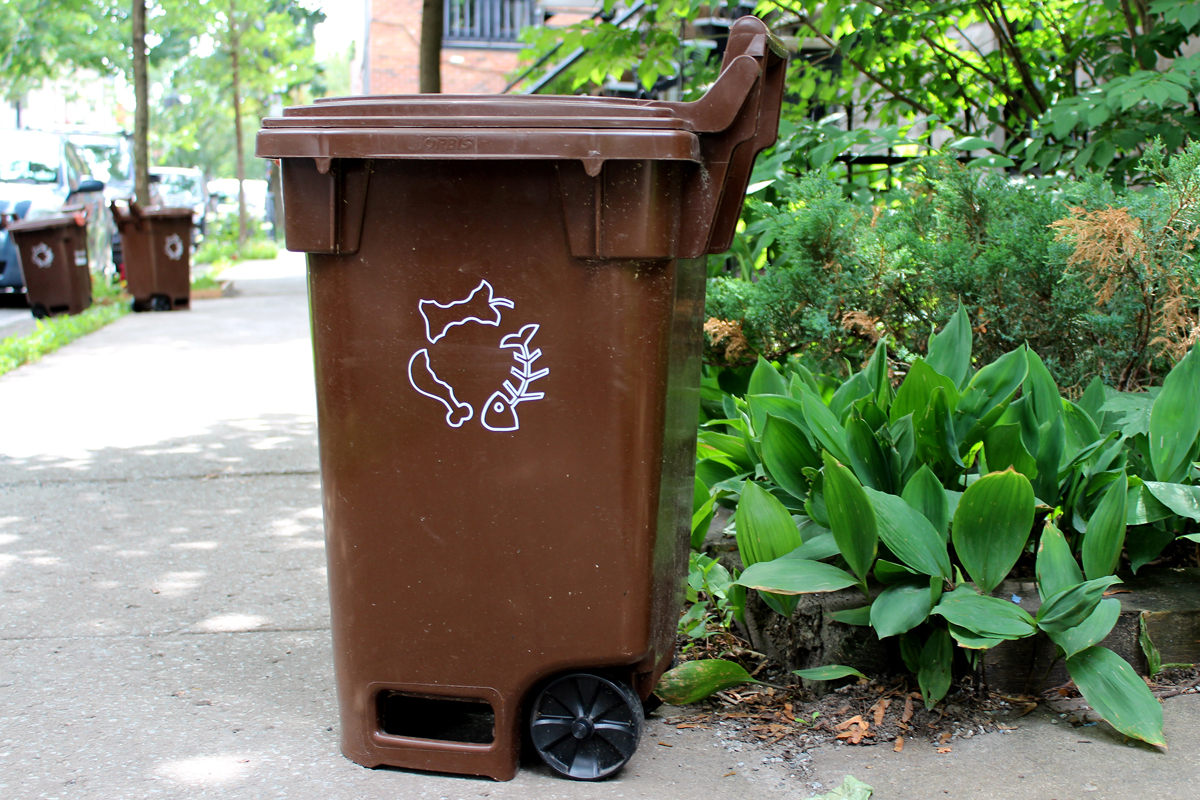
SOLINOV developed an Action Plan for the City of Longueuil aimed at increasing the amount of organics collected in brown bins. This would enable the City to meet the recovery targets resulting from its membership in the Société mixte de l’est de la Couronne Sud (SÉMECS-Municipal corporation in charge of anaerobic digester). The Action Plan details the measures to be implemented, on a phased basis, to improve organic waste recovery performance by 2027. Additionally, the City aims to achieve the 70% organic waste recovery target set for 2030 in Quebec’s Organics’ Recovery Strategy.
Read more
Duration: April to September 2023
SOLINOV developed an Action Plan for the City of Longueuil aimed at increasing the amount of organics collected in brown bins. This would enable the City to meet the recovery targets resulting from its membership in the Société mixte de l’est de la Couronne Sud (SÉMECS-Municipal corporation in charge of anaerobic digester). The Action Plan details the measures to be implemented, on a phased basis, to improve organic waste recovery performance by 2027. Additionally, the City aims to achieve the 70% organic waste recovery target set for 2030 in Quebec’s Organics’ Recovery Strategy.
Comparative Study of Separate Collection Practices for Bio-Waste in Urban Areas: Lessons Learned from Europe and Around the World
Client: ADEME (Agency for Ecological Transition in France)
Duration: 2021–2022
In collaboration with the firm Awiplan, SOLINOV conducted a comparative study of organic waste collection and treatment in 13 cities across Europe and North America. This study made it possible to compare respective costs for collecting waste, recyclables, and organics. The comparison of the cities’ performance, in terms of the amount of organics collected per capita, led to the identification of keys to success and the formulation of recommendations.
Read more
Duration: 2021–2022
In collaboration with the firm Awiplan, SOLINOV conducted a comparative study of organic waste collection and treatment in 13 cities across Europe and North America. This study made it possible to compare respective costs for collecting waste, recyclables, and organics. The comparison of the cities’ performance, in terms of the amount of organics collected per capita, led to the identification of keys to success and the formulation of recommendations.
Evaluation of Organic Waste Collection in Multi-Unit Residential Buildings
Client: City of Laval
Duration: March to December 2022
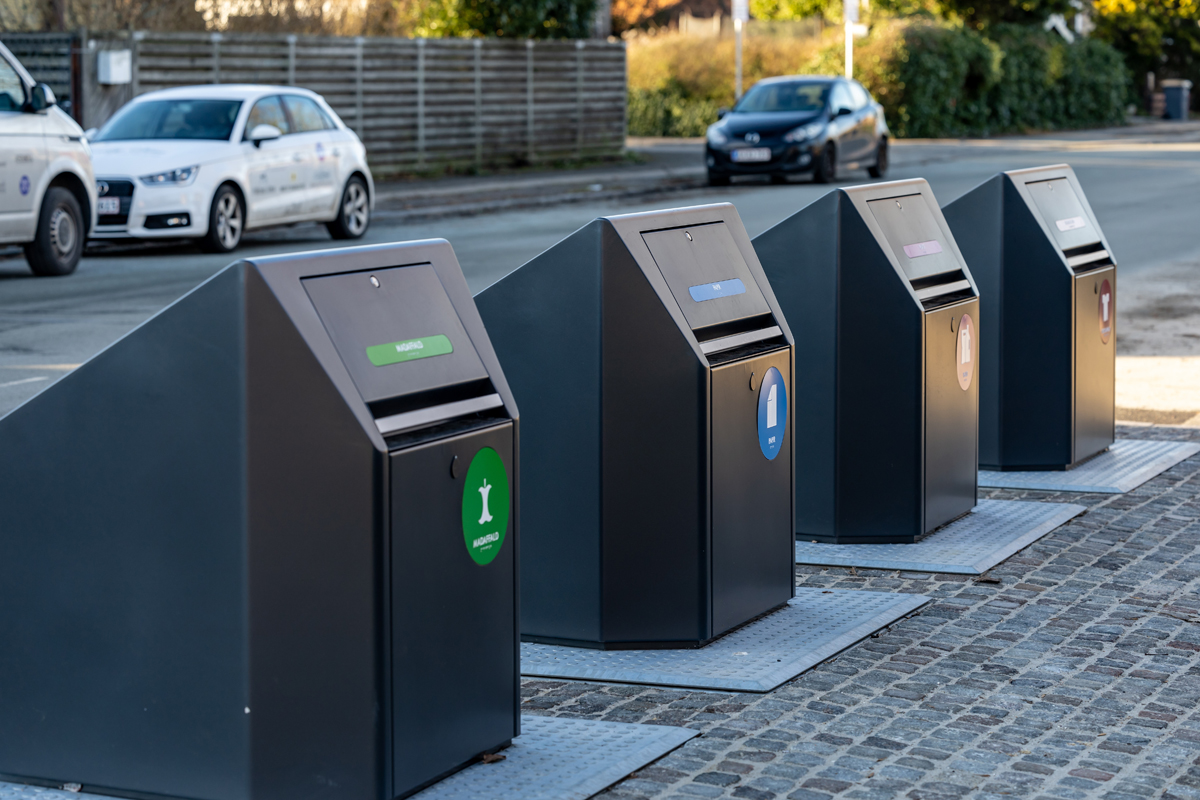
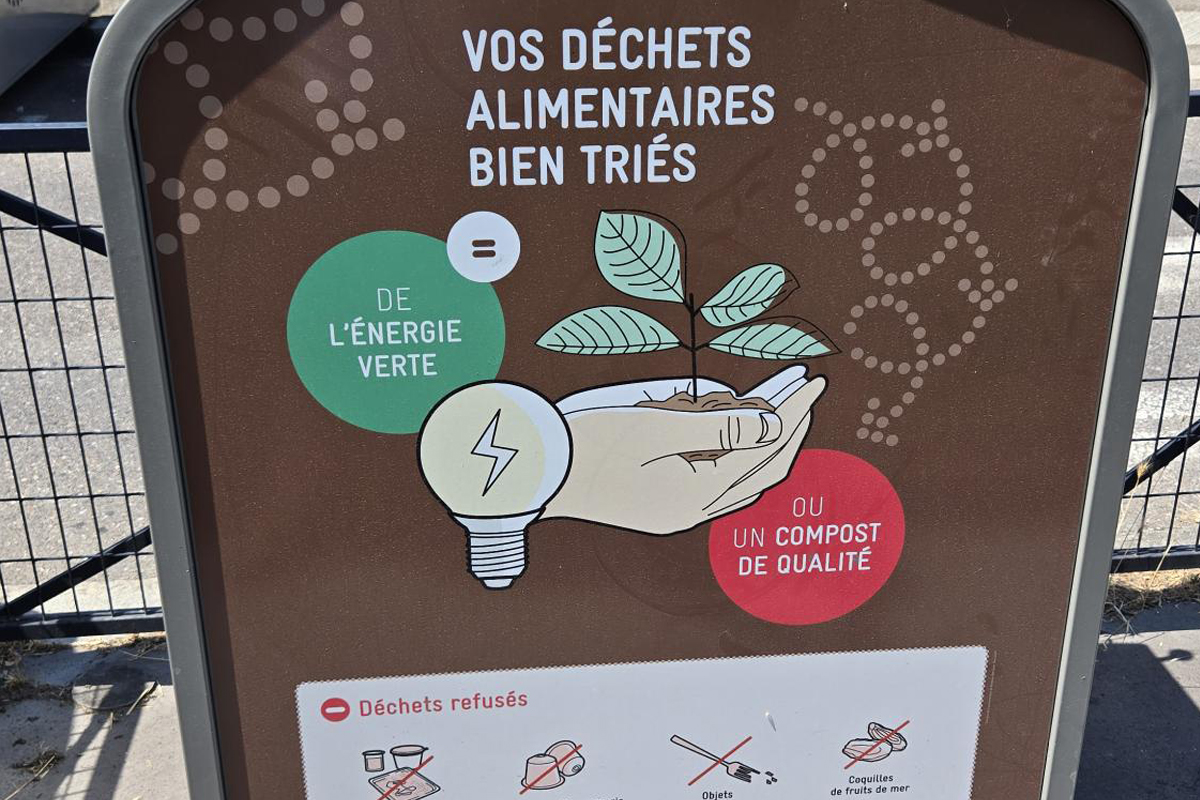
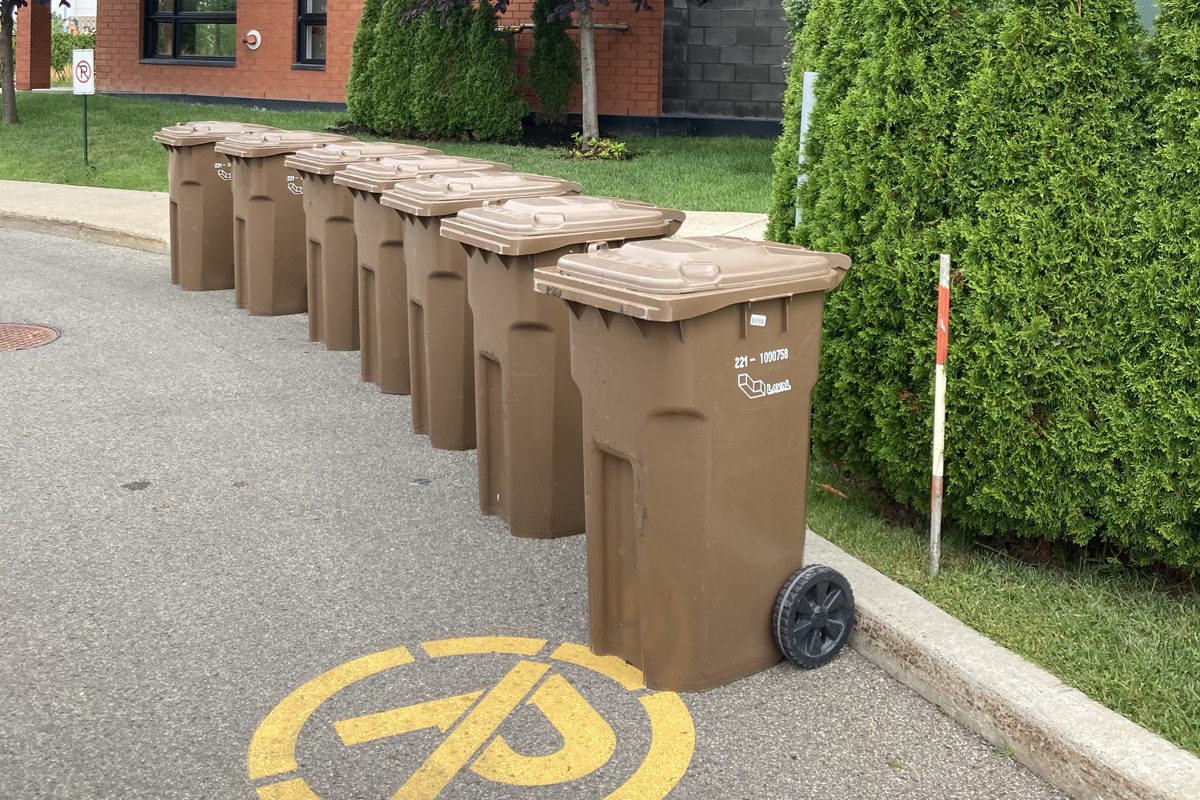
SOLINOV conducted an evaluation of the organic waste collection service implemented on a voluntary basis for multi-unit residential buildings (50 units or more). Since just over half of the multi-unit residential buildings were participating in the service, visual assessments, interviews, and a survey of residents were conducted to identify barriers to participation in the collection of organics.
Read more
Duration: March to December 2022
SOLINOV conducted an evaluation of the organic waste collection service implemented on a voluntary basis for multi-unit residential buildings (50 units or more). Since just over half of the multi-unit residential buildings were participating in the service, visual assessments, interviews, and a survey of residents were conducted to identify barriers to participation in the collection of organics.
Study on Odour Emissions Associated with Food Waste Composting
Client: RECYC-QUÉBEC and MELCC
Project Period: 2021
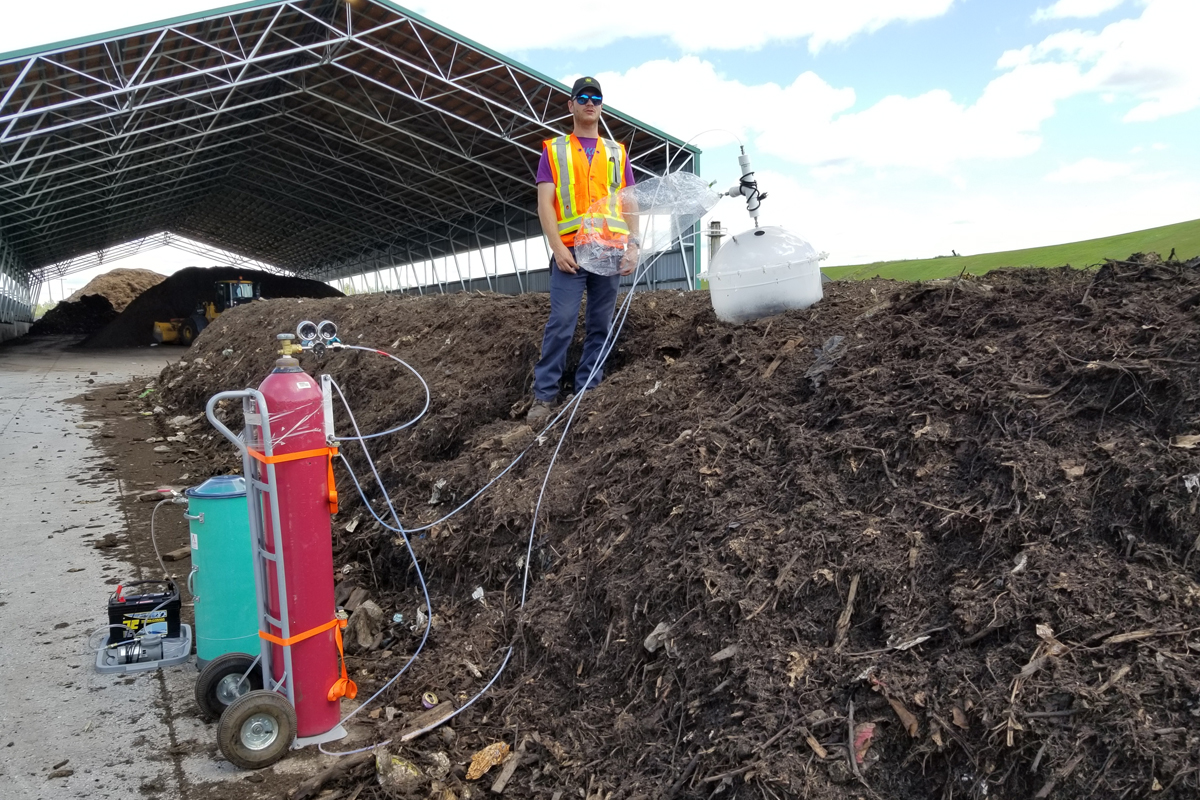
SOLINOV compared odours emitted by food waste contained in compostable plastic bags with those emitted by loose food waste during the first weeks of the composting process. Odour sampling measurements conducted at two composting facilities, combined with olfactometric analysis, made it possible to generate emission rates for atmospheric dispersion modelling purposes.
Read more
Project Period: 2021
SOLINOV compared odours emitted by food waste contained in compostable plastic bags with those emitted by loose food waste during the first weeks of the composting process. Odour sampling measurements conducted at two composting facilities, combined with olfactometric analysis, made it possible to generate emission rates for atmospheric dispersion modelling purposes.
Technical Document on Food Waste Collection Tools for Multi-Unit Residential Buildings
Client: City of Montreal
Duration: 2018–2019
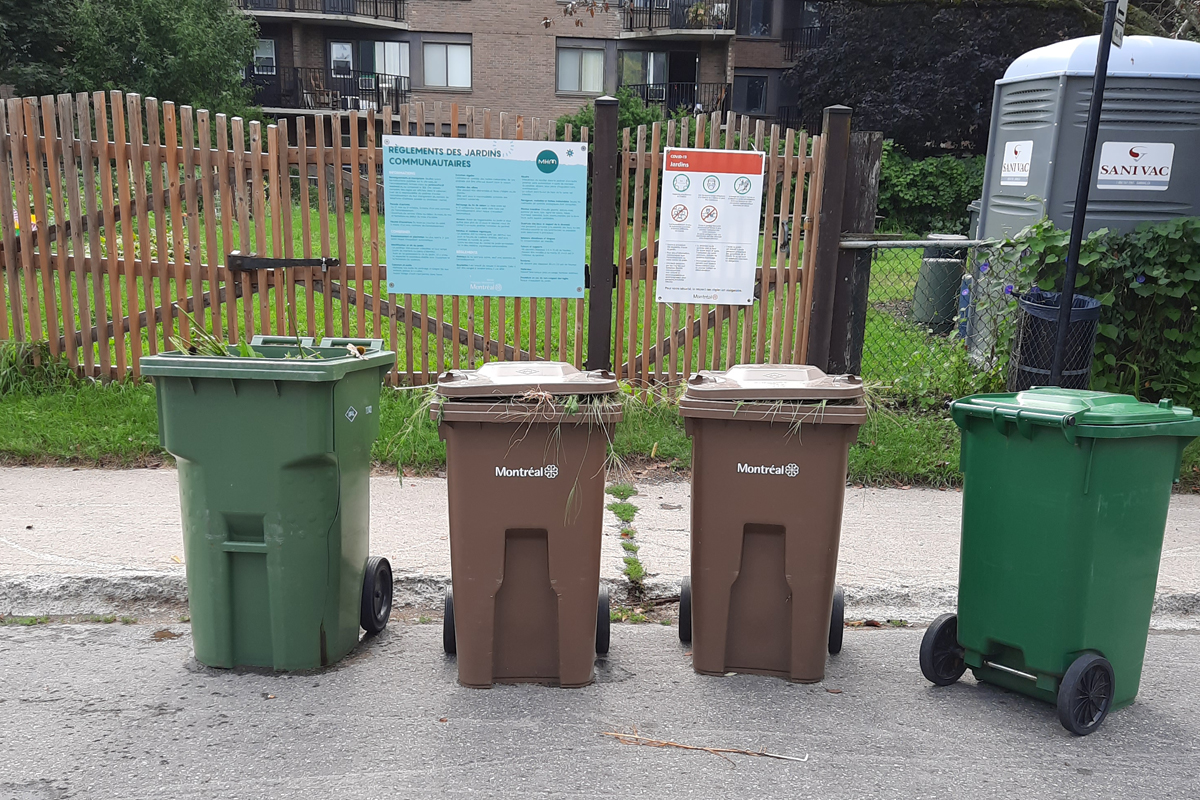
SOLINOV supported the City of Montreal in the implementation of its Strategy for the Rollout of Food Waste Collection in multi-unit residential buildings (8 units or fewer). The City aims to meet the requirements of the provincial Organic Waste Treatment Program through Biomethanization and Composting (‘PTMOBC’, in French). The program targets a coverage rate of 70% of occupied units. The City also supports the objectives of the Montréal Agglomeration Residual Materials Management Master Plan, which call for the future expansion of organic materials collection to residential buildings with nine or more dwelling units during a later implementation phase.
Read more
Duration: 2018–2019
SOLINOV supported the City of Montreal in the implementation of its Strategy for the Rollout of Food Waste Collection in multi-unit residential buildings (8 units or fewer). The City aims to meet the requirements of the provincial Organic Waste Treatment Program through Biomethanization and Composting (‘PTMOBC’, in French). The program targets a coverage rate of 70% of occupied units. The City also supports the objectives of the Montréal Agglomeration Residual Materials Management Master Plan, which call for the future expansion of organic materials collection to residential buildings with nine or more dwelling units during a later implementation phase.
Analysis of Factors Influencing Participation in Organic Waste Collection in Multi-Unit Residential Buildings
Client: RECYC-QUÉBEC
Duration: 2015–2016
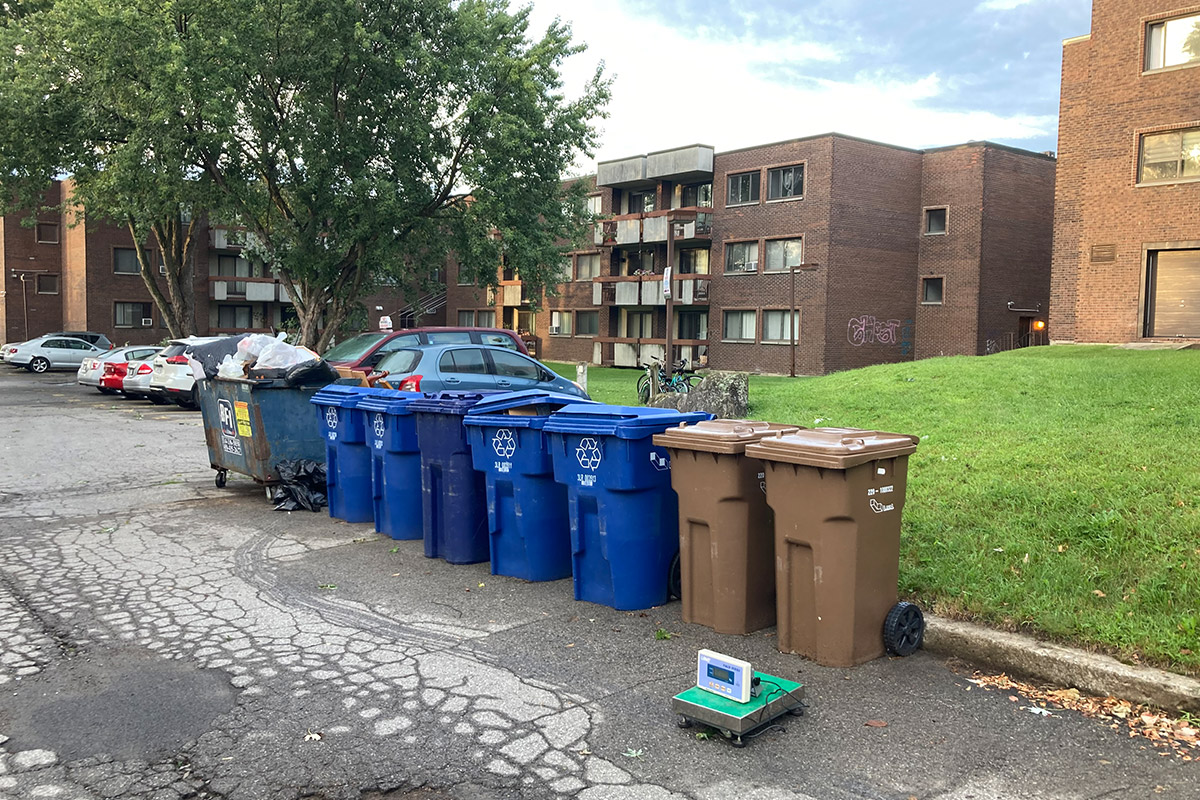
RECYC-QUÉBEC chose SOLINOV to identify crucial factors when deciding to implement a food waste recovery program in multi-unit residential buildings. To this end, specific cases of food waste collection implementation in multi-unit residential buildings were documented to highlight best practices and participation factors. SOLINOV also examined issues related to sorting, transfer, and collection containers suitable for multi-unit residential buildings.
Read more
Duration: 2015–2016
RECYC-QUÉBEC chose SOLINOV to identify crucial factors when deciding to implement a food waste recovery program in multi-unit residential buildings. To this end, specific cases of food waste collection implementation in multi-unit residential buildings were documented to highlight best practices and participation factors. SOLINOV also examined issues related to sorting, transfer, and collection containers suitable for multi-unit residential buildings.
Analysis and summary of factors to consider when implementing organic waste collection to maximize food waste recovery: Case studies of municipalities in Quebec and Ontario
Clients: RECYC-QUÉBEC
Duration: 2013–2014
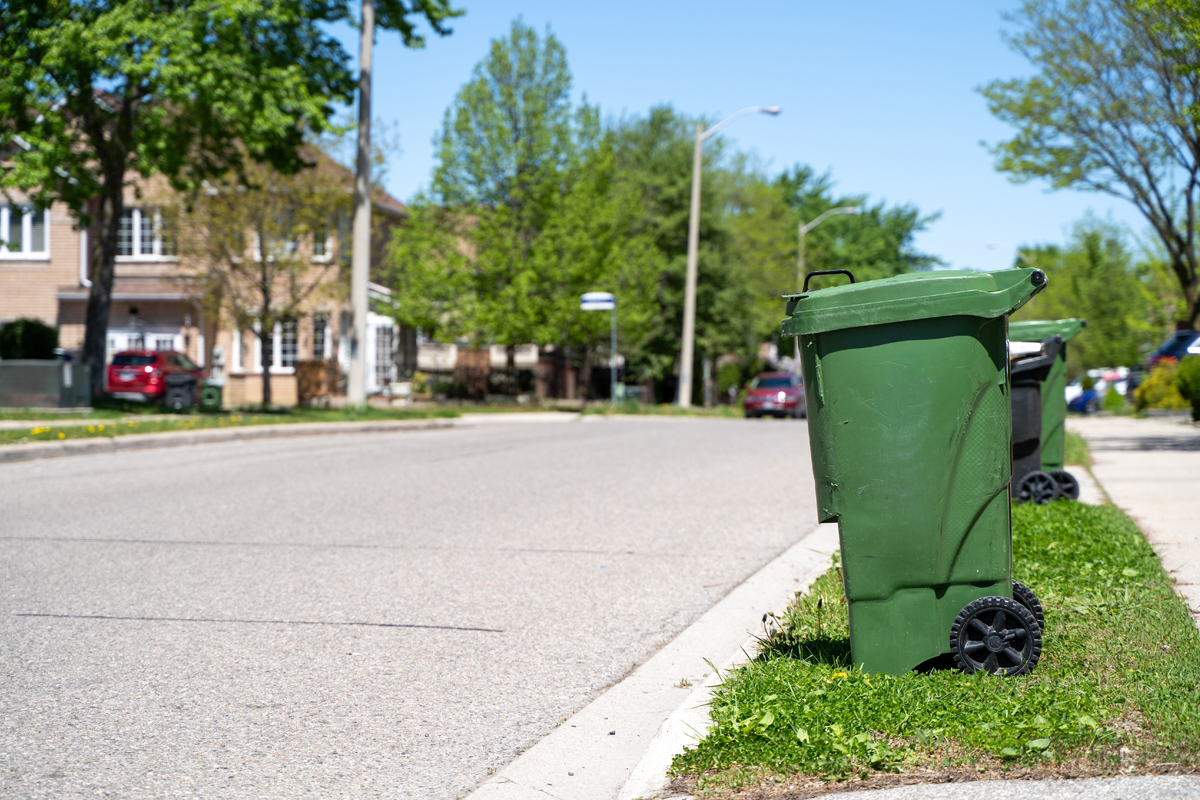
The purpose of this study was to identify factors that promote participation and performance as several municipal organizations were implementing food waste collection in the residential sector. To this end, SOLINOV compared the organics recovery performance of 28 municipal organizations of varying sizes, both urban and rural. In addition to collection frequency and container types, SOLINOV paid particular attention to the awareness measures implemented by the municipal organizations. At the same time, waste collection procedures were also examined.
Read more
Duration: 2013–2014
The purpose of this study was to identify factors that promote participation and performance as several municipal organizations were implementing food waste collection in the residential sector. To this end, SOLINOV compared the organics recovery performance of 28 municipal organizations of varying sizes, both urban and rural. In addition to collection frequency and container types, SOLINOV paid particular attention to the awareness measures implemented by the municipal organizations. At the same time, waste collection procedures were also examined.
Overview of Organic Waste Streams from the Agri-Food Industry and Estimation of Edible Food Treated as Waste by Industrial, Commercial, and Institutional (IC&I) Facilities in the Food Sector
Client: MELCCFP
Duration: 2012–2013
As part of this extensive survey, in which 158 businesses participated, SOLINOV compiled an inventory of food industry waste in Quebec. The calculation method used for this inventory, which is still employed in RECYC-QUÉBEC’s Inventory Tool, is offered to municipal organizations that require a more precise picture of the organics generated, recovered, and disposed of on their territory. The inventory is broken down by transformation sectors and by regions. In addition, the survey determined the quantities of edible waste sent to food banks.
Read more
Duration: 2012–2013
As part of this extensive survey, in which 158 businesses participated, SOLINOV compiled an inventory of food industry waste in Quebec. The calculation method used for this inventory, which is still employed in RECYC-QUÉBEC’s Inventory Tool, is offered to municipal organizations that require a more precise picture of the organics generated, recovered, and disposed of on their territory. The inventory is broken down by transformation sectors and by regions. In addition, the survey determined the quantities of edible waste sent to food banks.

Market Assessment for Compost Produced by the Saint-Laurent Organic Waste Treatment Facility
Client: City of Montréal
Project Period: 2022–2023
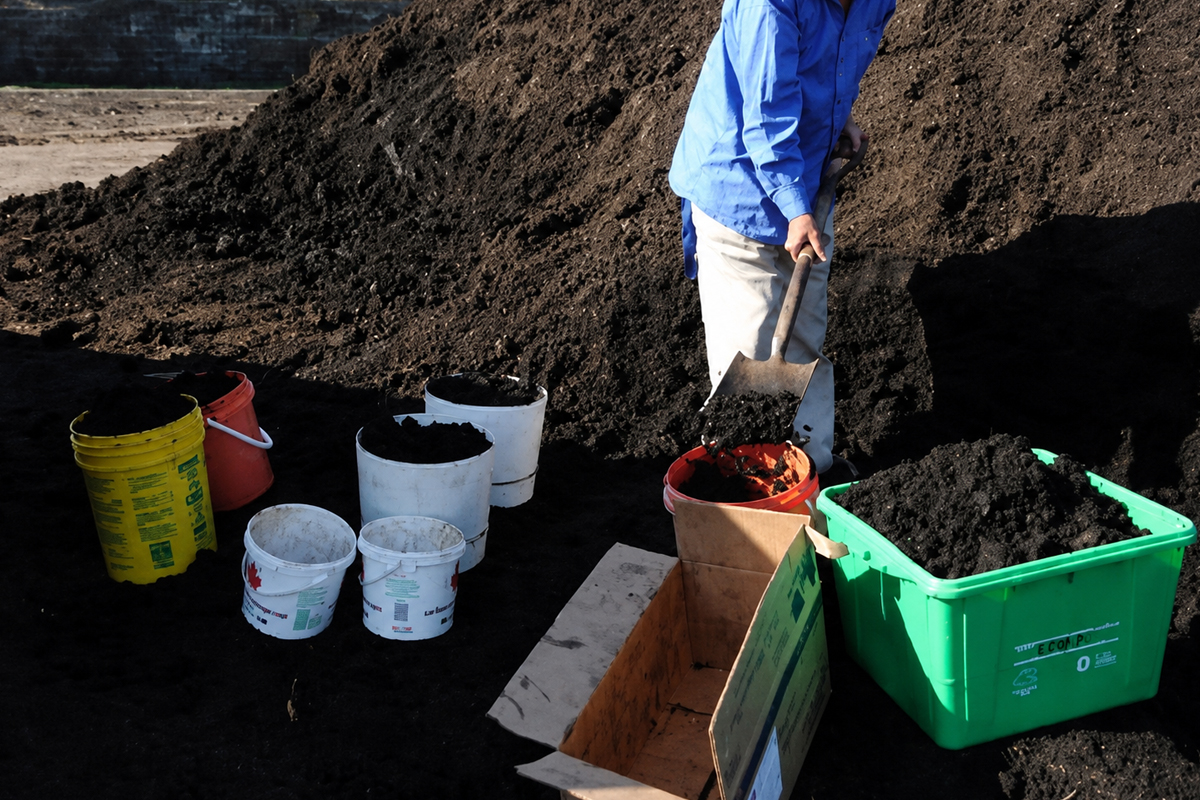
As part of the commissioning of the Saint-Laurent Organic Waste Treatment Facility (OWTF), SOLINOV assessed potential markets for compost produced from the City's brown bin collection program in Montréal’s western sector. The study first determined the maximum quantities of compost that could be utilized on municipal green spaces, taking into account compost distribution programs for residents as well as the expansion of community gardens. SOLINOV then carried out a similar assessment for residential applications. In addition, the firm identified the compost quality characteristics required for each intended use and reviewed the applicable regulatory requirements.
Read more
Project Period: 2022–2023
As part of the commissioning of the Saint-Laurent Organic Waste Treatment Facility (OWTF), SOLINOV assessed potential markets for compost produced from the City's brown bin collection program in Montréal’s western sector. The study first determined the maximum quantities of compost that could be utilized on municipal green spaces, taking into account compost distribution programs for residents as well as the expansion of community gardens. SOLINOV then carried out a similar assessment for residential applications. In addition, the firm identified the compost quality characteristics required for each intended use and reviewed the applicable regulatory requirements.